+91 97912 63115 · WhatsApp us

Sri Vijaya Puram (Port Blair), Andaman and Nicobar Islands

Category: Tips

Practical Andaman travel tips from the local team

  • Best Time to Visit Andaman: Month-by-Month Weather Guide

    Best Time to Visit Andaman: Month-by-Month Weather Guide

    The short answer, from people who live here: the best time to visit Andaman is November to early March, when the sea is calm, the ferries run on schedule, and the sky mostly behaves. If you want the same clear water with fewer crowds and better prices, March to early May is our quiet favourite. The months we honestly steer people away from are the deep monsoon weeks of mid-June through August, when the crossing to Havelock can get rough and day trips get cancelled at the jetty.

    That is the whole guide in one paragraph. But “best time to visit Andaman” means different things depending on whether you are chasing calm snorkelling water, a low bill, an empty beach, or a working ferry on the morning you need it. We run trips here every week of the year, so below is the honest month-by-month picture — sea conditions, ferry reliability, rainfall, crowds, prices, and what is actually open — so you can pick the window that fits your trip.

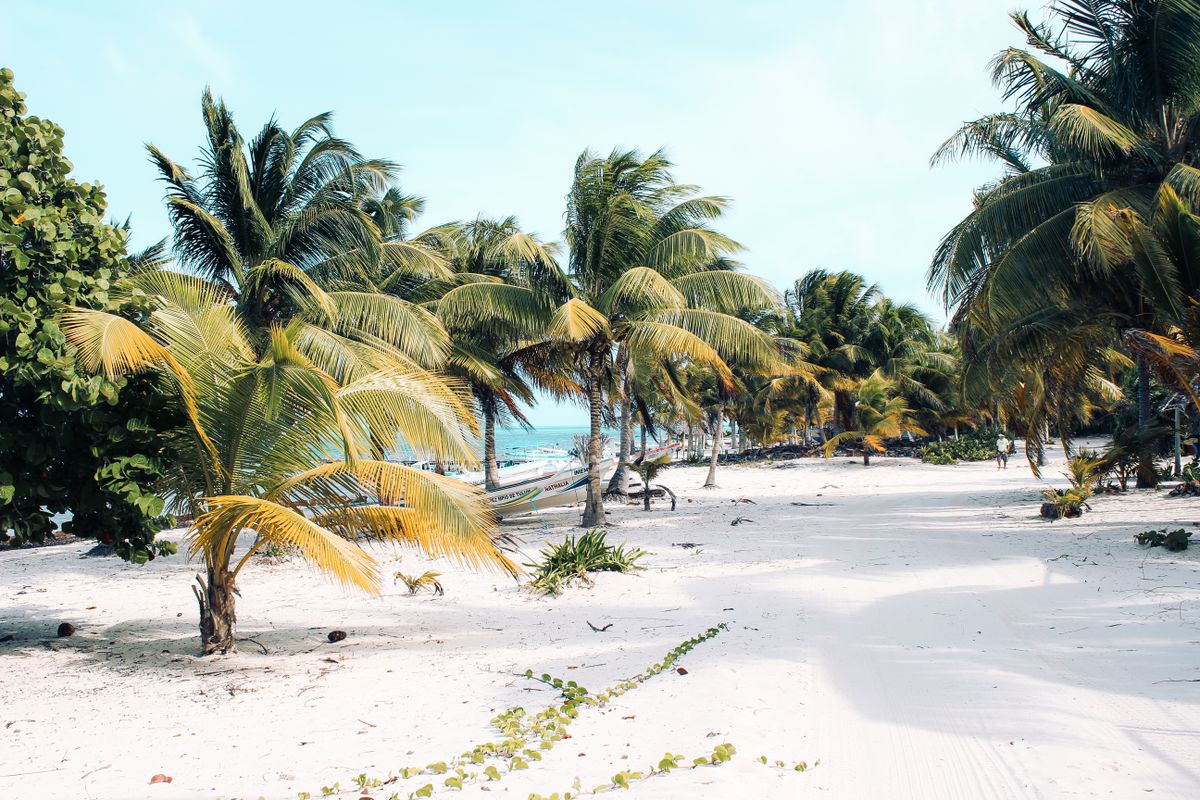
    Pristine Andaman beach aerial view

    The two seasons that actually matter

    Forget the calendar you use on the mainland. Out here there are really just two seasons, and they are set by the sea, not the temperature. The temperature barely moves all year — it sits between roughly 24°C and 32°C whether you come in January or July. What changes is the water and the wind.

    • The dry, calm season (October to May): This is Andaman at its best. The sea flattens out, inter-island ferries run reliably, underwater visibility is high, and every island and activity is open. This is why almost every good itinerary sits inside this window.
    • The monsoon season (June to September): The southwest monsoon brings heavy rain and a churned-up sea. It is green, dramatic and cheap, but ferries get cancelled, some islands close, and a few water activities shut down. It suits a flexible traveller, not a first-timer on a tight schedule.

    One practical detail worth knowing before you book anything: Jolly Buoy Island — one of the best snorkelling spots in the whole archipelago — is only open from October to May. It sits inside the Mahatma Gandhi Marine National Park and closes completely for the monsoon. The main dive season runs on the same clock, October to May, when visibility is at its best. If those are on your must-do list, your travel window is already decided for you.

    Best time to visit Andaman, month by month

    October — the season opens

    October is the changeover. The heavy monsoon is fading, the sea is settling, and the islands are at their greenest after months of rain. Early October can still throw a wet afternoon or a Bay of Bengal disturbance at you, so the first two weeks are a slight gamble on ferries. By the last week it is genuinely lovely. Jolly Buoy reopens, dive centres get back to full schedule, and crowds are thin. Prices are still in the shoulder band, so October is one of the best-value months if you can be a little flexible in the first fortnight.

    November — our top pick

    If you asked us to book one month and walk away, it would be November. The rain is done, the sea is calm, humidity drops, and the water clarity around Havelock and Neil is superb. Ferries are dependable, every island is open, and the December crowd has not arrived yet. Prices climb a little from the shoulder rate but have not hit peak. For most travellers — honeymooners, families, first-timers — November is the sweet spot where everything works and nothing is overpriced.

    December to mid-January — peak season

    This is the postcard-perfect stretch and everyone knows it. The weather is at its most reliable, cool by island standards, and the sea is glassy. It is also the busiest and most expensive window of the year, especially the Christmas-to-New-Year fortnight (roughly Dec 15 to Jan 15). Expect package prices to run 25–35% above the off-season rate, ferry seats and good hotels to sell out weeks ahead, and Radhanagar Beach to be genuinely crowded at sunset. If you want to travel now, that is completely fine — just book 60 to 90 days ahead. Leaving it late in peak season is the single most common mistake we see.
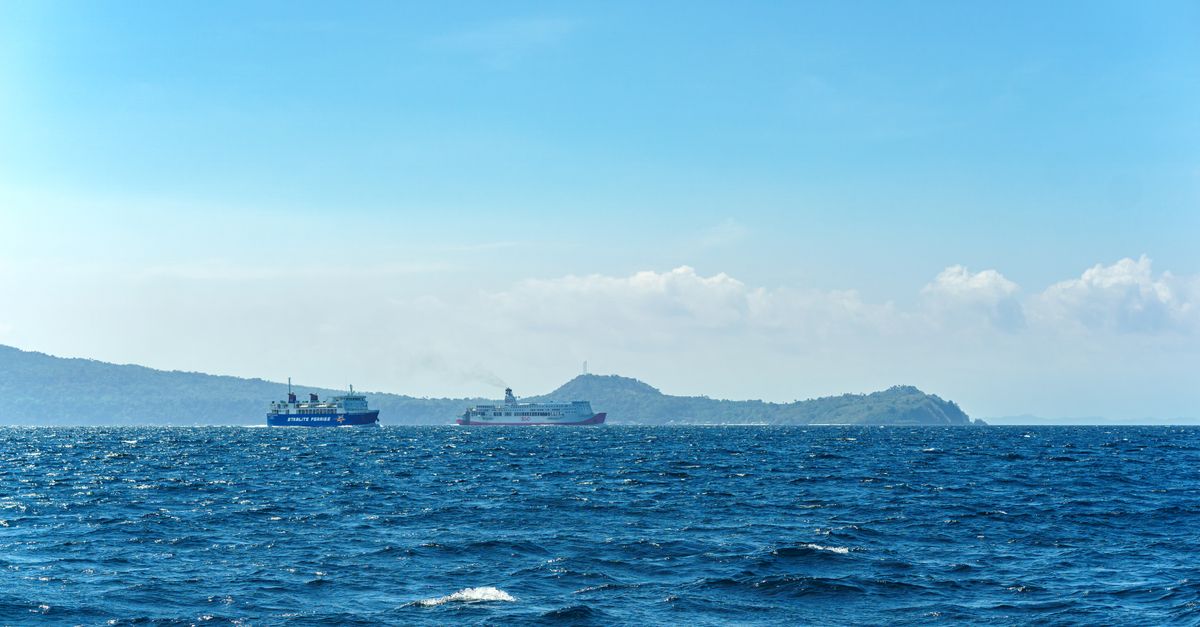
    Andaman ferry between islands Port Blair to Havelock

    Late January to February — the quiet winner

    Once the New Year crowd flies home, the weather stays just as good but the islands exhale. Late January and February give you peak-season conditions — calm sea, clear water, dependable ferries — without the peak-season chaos or the very top prices. This is the window we quietly recommend to couples who want a calm, romantic trip. If a relaxed Andaman honeymoon is what you are after, this is the time to do it and it pairs naturally with the boutique stays on our Andaman honeymoon packages.

    March to April — best value, still gorgeous

    March and April are the islands’ best-kept secret. The sea is still calm, visibility is still excellent, Jolly Buoy is still open, and every activity runs — but prices soften back toward the shoulder band and the crowds thin right out. It does get hot and humid, especially by mid-April, so you will sweat between the swims. But if you want that same turquoise water for meaningfully less money, this is the window. Great for families watching the budget and for anyone who dislikes crowds.

    May — the last calm window (and the turn)

    Early May can still be excellent — warm, calm, quiet and cheap. But May is when the monsoon starts flirting with the islands. The sea firms up toward the end of the month, the first heavy showers arrive, and Jolly Buoy closes on 31 May for the season. If you come in May, come early in the month and keep your plans a little flexible. It is a fine time to visit Andaman if you value low prices and empty beaches over guaranteed sunshine.

    June to August — the deep monsoon

    Here is our honest take: these are the months we steer most first-time visitors away from. The southwest monsoon is in full swing, rain comes in long spells, and the sea gets properly rough. The government ferries and the private catamarans (Makruzz, Nautika, Green Ocean) do run, but cancellations are common, and a cancelled morning ferry can knock a whole Havelock day out of a short trip. Jolly Buoy is closed. Some water sports pause on the rougher days. Prices drop 15–25% and the islands are lush and empty, which appeals to a certain kind of traveller — but if you have only four or five days and a fixed flight home, the monsoon is a risky bet. If you do come, build in buffer days and never plan a ferry on the day of your outbound flight.

    September — the monsoon eases

    September is the tail of the monsoon. It is still wet and the sea is still lively, but the gaps between the rain start to widen and prices remain low. The last week of September often gives a real preview of the season to come. It is a shoulder-of-a-shoulder month — cheaper and quieter than October, but you are still taking a weather gamble. Better than July, not yet as safe as late October.

    The quick verdict

    If you just want the bottom line, here is how we sort the year for the travellers we plan trips for:

    • Best overall (weather + everything open): November, plus late January and February. Calm sea, reliable ferries, high prices only in the Dec–mid-Jan peak.
    • Best value (same water, lower bill): March, April and early May, and the back half of October. Great for budget-minded families.
    • Best for couples who want quiet: February and March — peak conditions, off-peak calm.
    • Book early or regret it: mid-December to mid-January. Beautiful, busy, and sold out if you dither. Lock it 60–90 days ahead.
    • Approach with caution: June, July and August. Cheap and green, but rough seas, ferry cancellations and closed spots make it a poor fit for a short, fixed itinerary.
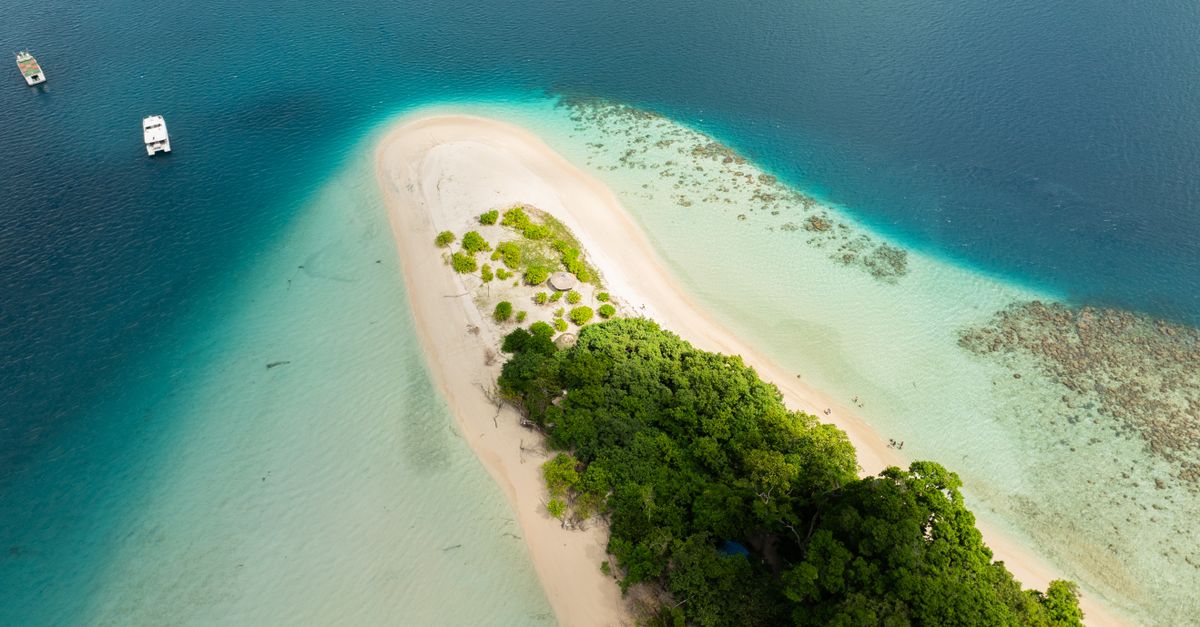
    Andaman tour packages Jolly Buoy island turquoise water

    What the season does to your budget

    Season is the single biggest lever on what an Andaman trip costs. The islands are a fly-in destination, so hotels and ferries have limited supply and prices swing hard with demand. As a rough guide for a mid-range 5N/6D multi-island package, we see land-only rates in the region of around ₹23,000–₹28,000 per person off-peak, climbing to roughly ₹30,000–₹37,000 per person in the December–January peak for the same product. Budget builds run lower and premium resort stays run higher, but the seasonal shape is the same across the board.

    Two things follow from that. First, if your dates are flexible, shifting a peak-season trip into November or February can save real money for identical weather. Second, in peak season the cost of not booking early is not just money — it is availability. When the good hotels and the morning ferries fill up, the trip you wanted stops existing at any price. You can browse our full range of Andaman tour packages to see how the tiers compare, and we will always quote you honestly for your exact dates.

    A word on ferries — the thing that makes or breaks your dates

    Everything on an Andaman trip hangs on the ferry between Port Blair, Havelock (Swaraj Dweep) and Neil Island (Shaheed Dweep). In the calm season this is a non-issue — the private catamarans cross in comfort and run to time. In the monsoon it becomes the whole story: a rough sea means cancellations, and a cancelled ferry cascades through every hotel night and sightseeing slot after it. This is exactly why we tell monsoon travellers to keep buffer days and never book a same-day ferry-to-flight connection. In the dry season you can plan tightly; in the wet season you must plan loosely.

    FAQ

    What is the single best month to visit Andaman?

    November. The monsoon is over, the sea is calm, ferries are reliable, every island and activity is open, and the peak-season crowds and top prices have not arrived yet. Late January and February are just as good weather-wise once the New Year rush clears.

    Is it worth visiting Andaman during the monsoon?

    Only if you are flexible. June to August brings 15–25% lower prices, lush green islands and empty beaches, but also heavy rain, rough seas, frequent ferry cancellations, and closed spots like Jolly Buoy. If you have a short, fixed itinerary or it is your first visit, we would not recommend it. If you have spare days to absorb a cancelled ferry, it can be a peaceful, cheap trip.

    When is Jolly Buoy Island open?

    Jolly Buoy Island is open to visitors from October to May and closes for the monsoon (June to September) as it sits inside a protected marine national park. If snorkelling at Jolly Buoy is a priority, plan your trip within that October–May window. The main scuba diving season follows the same calendar for the same reason — calmer seas and better underwater visibility.

    How far in advance should I book?

    For peak season (mid-December to mid-January) book 60 to 90 days ahead — hotels and ferries genuinely sell out. For November, February and the March–April value window, three to four weeks is usually comfortable. In the monsoon you can book closer to the date, but leave buffer days for weather.

    Ready to pick your dates?

    Tell us roughly when you are thinking of coming and who is travelling, and we will tell you honestly what the sea, the crowds and the prices are likely to do in that window — then build a trip around it. Browse our Andaman tour packages or just message us on WhatsApp for a free, no-obligation quote for your exact dates. We live here, we watch the weather and the ferries every day, and we will point you to the window that fits your trip.


  • Andaman Honeymoon Guide: Romantic Spots, Packages & Tips

    Andaman Honeymoon Guide: Romantic Spots, Packages & Tips

    This Andaman honeymoon guide gives you the short version first: give yourself five nights, split them between Havelock (Swaraj Dweep) and Neil (Shaheed Dweep), travel between October and March, and budget roughly ₹40,000 to ₹80,000 per couple for a complete package with flights kept separate. Do that, and you get the quiet beaches, the Radhanagar sunset, and the “is-this-really-still-India” feeling without the stress of managing ferries and permits yourself. Below, we walk you through the romantic spots worth your time, a day-by-day flow that actually works, what different budgets buy, and the honeymoon mistakes we watch couples make every season.

    We write this as people who live on the islands and plan these trips for a living, so we will be honest about what is worth it and what isn’t. A honeymoon is usually the biggest trip a couple has taken together, and most of you have never been here before. That is exactly the anxiety this guide is meant to settle.

    Andaman honeymoon package couple at beach sunset

    Why the Andamans work so well for a honeymoon

    Couples usually land here after comparing the Andamans with Bali or the Maldives. The honest pitch is this: you get Asia-quality beaches and water at Indian prices, with no visa, no currency exchange, and no long-haul flight. The catch is that the islands are quieter and less built-up than a resort destination, which is precisely why they feel romantic. You are not fighting a crowd for a beach chair. On Neil Island especially, you can have a stretch of sand almost to yourselves at sunset.

    The other reason they work is variety in a small area. In five nights you can watch a sunset that ranks among the best in Asia, snorkel over live coral, kayak through a mangrove creek lit up by bioluminescent plankton, and still have a slow morning with nothing planned. It does not feel like a rushed tour if you plan it right.

    The most romantic spots in the Andamans

    Radhanagar Beach at sunset, Havelock

    Radhanagar (Beach No. 7) is the one everyone comes for, and for once the hype holds up. It is a wide curve of soft white sand backed by forest, and it earns its “best beach in Asia” reputation most in the last hour of daylight. Reach it by 4:30 pm, walk to the quieter left end away from the main entry, and watch the sky turn. It gets busier in the middle of the day, so the late-afternoon slot is both prettier and calmer. This is the single most photographed honeymoon moment on the islands.

    Radhanagar Beach aerial view Havelock Island Andaman

    A private candlelight dinner on the beach

    A candlelight dinner with your feet in the sand is close to standard in the honeymoon segment now, so the question is not whether you get one but where. A dinner set up on a Havelock beachfront beats one squeezed into a resort restaurant, and a good operator will arrange the setup, a private table, and a simple multi-course meal. Expect this to be bundled into mid-tier honeymoon packages, or to cost around ₹1,500 to ₹3,000 as an add-on. Tell us your dietary preferences in advance and we will match the menu.

    Neil Island’s quiet beaches

    If Havelock is the headline, Neil Island is the reason couples come back. It is smaller, slower, and far less developed. Laxmanpur Beach is the famous sunset spot, a long shallow stretch where you can walk out on the sand as the light drops, and the natural rock bridge nearby is worth the short walk at low tide. Bharatpur Beach has calm, clear water that is easy for a swim or a first snorkel. If your idea of a honeymoon is privacy and slowness rather than a full activity list, give Neil a full day and night. You can read more on our Neil Island destination guide.

    Laxmanpur Beach sunset Neil Island Andaman

    Bioluminescence night kayaking

    This is the experience couples talk about most afterwards. On a moonless night, you kayak through the mangrove creeks near Havelock and the water glows blue-green wherever your paddle disturbs it, from plankton called dinoflagellates. It is quiet, a little magical, and genuinely once-in-a-trip. It only works around the new moon, so the dates matter, and slots are limited. If bioluminescence is on your wishlist, tell us your travel window early and we will check whether the moon phase lines up. It pairs naturally with the water activities on our adventure and scuba package.

    Trying scuba together, even as non-swimmers

    A first dive as a couple is a big memory, and you do not need to be a swimmer to do it. A “Discover Scuba” intro dive is guided one-on-one by a certified instructor in shallow, calm water, and the operator carries you through every step. If one of you is nervous about the water, sea walking is a gentle alternative: you wear a weighted helmet with a constant air supply and simply walk on the seabed a few metres down, no swimming required. See our scuba diving guide and sea walking guide for what each involves.

    The ideal 5 nights / 6 days honeymoon flow

    Five nights is the sweet spot for a honeymoon here. It gives you two islands without a rushed, single-night stopover feel, and it leaves room for slow mornings. Here is the flow we recommend most, built around the ferries so you never spend a day fighting logistics.

    • Day 1 — Arrive Port Blair. Airport pickup, hotel check-in, and an easy evening at Corbyn’s Cove Beach followed by the Cellular Jail light-and-sound show. A gentle start after a travel day.
    • Day 2 — Port Blair to Havelock. Morning ferry (around 2 to 2.5 hours), check in, and spend the late afternoon at Radhanagar Beach for the sunset.
    • Day 3 — Havelock. Elephant Beach in the morning for snorkeling, sea walking, or an intro dive; a slow lunch; and the bioluminescence kayak at night if the moon phase allows.
    • Day 4 — Havelock to Neil. Short ferry across (about 45 minutes to an hour). Laxmanpur Beach for sunset and the natural rock bridge. This is your quiet, private day.
    • Day 5 — Neil to Port Blair. Morning at Bharatpur Beach, then the ferry back. An evening for shopping at Aberdeen Bazaar or simply resting.
    • Day 6 — Departure. Airport drop with time to spare for your flight.

    If you have six or seven nights, add a second night on Havelock rather than a third island. More time in one place beats more transfers. For a fuller picture of the islands themselves, our Havelock Island guide covers the beaches and dive sites in depth.

    Where to stay: honeymoon budget tiers

    Stay quality is where honeymoon budgets stretch the most, so it helps to know what each band actually buys. These are per-couple ranges for a complete 5N/6D package with flights kept separate, based on current island rates. Peak season (mid-December to mid-January especially) runs 25 to 35 percent higher, so book early for those dates.

    • Budget-comfortable — around ₹40,000 to ₹52,000 per couple. Clean 3-star hotels and guesthouses, daily breakfast, private AC cab, all ferries and sightseeing handled. Everything you need for a lovely trip, minus the frills.
    • Boutique mid-range — around ₹55,000 to ₹72,000 per couple. Better-located resorts, a beachfront candlelight dinner and room decoration bundled in, some dinners included, and a smoother class of ferry. This is the band most honeymooners land on.
    • Premium — ₹80,000 and up per couple. Cottage or sea-view resort stays on Havelock and Neil, more inclusions, and add-ons like a couple photoshoot. Worth it if the stay itself is a big part of your honeymoon.

    Whatever the tier, the price we quote is itemised and the price you pay. No convenience fees appear at the end. If a package looks suspiciously cheap, ask what class of hotel and ferry it uses before you commit; that is usually where the gap hides.

    Best time to visit for a honeymoon

    The Andamans are a winter-into-spring destination. Here is how the months actually feel on the ground.

    • October to February — the sweet spot. Calm seas, clear water, and comfortable weather. November through February is ideal. Mid-December to mid-January is peak: gorgeous, but priciest and busiest, so book 60 to 90 days ahead.
    • March to May — warm and quieter. Hotter days but still good conditions and better availability. A strong shoulder-season choice if you want fewer crowds.
    • June to September — monsoon. Rain, rougher seas, and some ferries and water activities suspended. Prices drop, but for a honeymoon where you want the water and the sunsets, we would gently steer you away from these months.
    Bioluminescence kayaking Andaman mangrove creek

    Common honeymoon mistakes (and how to avoid them)

    • Trying to see everything in three nights. The islands reward slowness. Cramming Port Blair, Havelock, and Neil into three nights means you spend your honeymoon on ferries. Five nights is the honest minimum for two islands.
    • Skipping Neil Island. Many couples do only Havelock and miss the quietest, most private part of the trip. Neil is where the honeymoon slows down.
    • Booking late in peak season. Around the December-January peak, good hotels and private ferry seats fill up weeks ahead. Last-minute means worse stays at higher prices.
    • Chasing the cheapest package. The lowest quote usually cuts the hotel class or puts you on slower government ferries. Compare what is included, not just the number.
    • Ignoring the ferry timings. Ferries run to fixed schedules and sell out. A trip planned around them flows; one that ignores them creates stranded afternoons. This is exactly what an operator handles for you.
    • Not carrying enough cash. ATMs are limited on Havelock and Neil and can run dry. Carry cash from Port Blair for small purchases and tips.

    FAQ

    How much does an Andaman honeymoon cost?

    Plan for roughly ₹40,000 to ₹80,000 per couple for a complete 5N/6D package with flights kept separate. The lower end covers clean 3-star stays and all logistics; the middle band adds boutique resorts and romantic extras; premium stays with sea-view cottages run ₹80,000 and up. Flights to Port Blair are the biggest variable on top of this and depend on your city and how early you book.

    How many days do we need for an Andaman honeymoon?

    Five nights and six days is ideal. It lets you cover Port Blair, Havelock, and Neil without rushing, and leaves room for slow mornings. Six or seven nights is even better if your leave allows; spend the extra night on Havelock rather than adding a third island.

    Is scuba diving safe if we can’t swim?

    Yes. A guided “Discover Scuba” intro dive is designed for non-swimmers: a certified instructor stays with you throughout in shallow, calm water. If you would rather not dive at all, sea walking lets you walk on the seabed in a weighted helmet with a steady air supply, no swimming needed. Both are popular honeymoon experiences.

    Will it rain and ruin our honeymoon?

    Between October and March the weather is reliably good, with calm seas and clear skies most days. A brief shower can happen any time in the tropics, but a washed-out week is very unlikely in these months. The monsoon window of June to September is the one to avoid for a honeymoon.

    Ready to plan your Andaman honeymoon?

    We are a local team based in Sri Vijaya Puram (Port Blair), and we plan honeymoons around your dates, your budget, and the little things that make the trip yours. Tell us when you want to travel and what matters most to you, and we will send a custom, itemised quote with no obligation. Browse our Andaman honeymoon packages to see sample itineraries, or message us directly on WhatsApp and a real person will reply, usually within a couple of hours.

  • Andaman Budget Travel Guide: How to Plan a Trip Under ₹20,000

    Andaman Budget Travel Guide: How to Plan a Trip Under ₹20,000

    Yes, a budget Andaman trip under ₹20,000 per person is genuinely doable, and this guide shows you the exact math. The number covers everything on the ground for four nights and five days: your stay, all the inter-island ferries, local transfers, a couple of water activities, food, and entry tickets. The one thing it does not include is your flight to Port Blair, and we will be upfront about that throughout, because pretending flights are cheap is how other “budget” guides mislead you. Get the flight sorted early and separately, and the island portion of your trip fits comfortably under ₹20,000, especially if you travel as a group.

    We plan these trips from the islands for a living, so this is not theory. Below is where your money actually goes, a 4N/5D budget blueprint, the real ferry costs, where to sleep cheaply on each island, the free and near-free experiences, and the few places where cutting corners is a genuinely bad idea.

    Andaman budget group tour friends on island beach

    First, be honest about flights

    Flights to Port Blair are almost always the single biggest line item of an Andaman trip, and they swing wildly by city and booking date. From southern metros like Chennai, Bangalore, or Hyderabad you will usually find the cheapest fares; from the north you often pay more and connect through the south. Because that number is so variable, every price in this guide is “on the ground” only, meaning after you land. Book your flight four to eight weeks out, stay flexible on dates, and you can keep the airfare from swallowing your budget. Treat it as a separate pot of money from the ₹20,000.

    Where your money actually goes

    Once you land, your on-the-ground spend breaks into six buckets. Knowing the rough share of each is what lets you cut smartly instead of blindly.

    • Accommodation — usually your biggest on-ground cost. Budget guesthouses on twin-sharing keep this low.
    • Inter-island ferries — the Port Blair, Havelock, and Neil triangle. Government ferries are cheap; private ferries cost more but are faster and comfier.
    • Local transfers — cabs and autos on each island. Sharing across a group is where the real savings sit.
    • Activities — snorkeling, sea walking, an intro scuba dive. Pick one or two rather than everything.
    • Food — very manageable if you eat at local dhabas and seafood joints instead of resort restaurants.
    • Entry tickets and permits — small but real: Cellular Jail, the light-and-sound show, beach and marine-park entries.

    The 4 nights / 5 days budget Andaman trip blueprint

    Four nights is the tightest itinerary that still covers the essentials without feeling like a sprint. Here is the flow that keeps costs down and wasted time to a minimum.

    • Day 1 — Arrive Port Blair. Check into a budget guesthouse near Aberdeen Bazaar. Afternoon at Corbyn’s Cove Beach, then the Cellular Jail light-and-sound show in the evening.
    • Day 2 — Port Blair to Havelock. Morning ferry across. Check in, then head to Radhanagar Beach for the afternoon and sunset. It is free to enter and it is the best beach on the islands.
    • Day 3 — Havelock. Elephant Beach for snorkeling; walk the beach; a lazy seafood lunch. Optional intro scuba dive if you want one splurge.
    • Day 4 — Havelock to Neil. Short ferry over. Laxmanpur Beach sunset and the natural rock bridge, both free. Neil is the cheapest island to just relax on.
    • Day 5 — Neil to Port Blair and fly out. Morning at Bharatpur Beach, ferry back, and airport drop. Time your return ferry against your flight with a safe buffer.

    For deeper detail on each stop, see our destination guides for Port Blair, Havelock Island, and Neil Island.

    Andaman ferry between islands Port Blair to Havelock

    Government vs private ferries: the real cost difference

    Ferries connect the three main islands, and choosing between government and private boats is one of the biggest budget levers you have.

    • Government ferries — the cheapest option, roughly ₹450 to ₹700 per leg. The trade-offs are fewer daily sailings, longer journeys, basic seating, and tickets that can be harder to book from outside the islands. Great for a tight budget if you plan around the timings.
    • Private ferries (Makruzz, Nautika, Green Ocean) — around ₹1,000 to ₹1,500 per leg. Faster, air-conditioned, more comfortable, and easier to book in advance. Worth it on the longer Port Blair-to-Havelock crossing, especially if you get seasick.

    A sensible budget move is to mix them: take a private ferry on the long Port Blair to Havelock leg for comfort, and a cheaper option on the short Havelock to Neil hop. Across three legs, the choice can swing your ferry spend from about ₹1,500 to ₹4,000, so it matters. One caution: government ferry seats are limited and sell out, so do not leave them to the last day.

    Budget stays on each island

    Sleeping cheap here does not mean sleeping badly. On twin-sharing, budget rooms are genuinely comfortable.

    • Port Blair — guesthouses and budget hotels near Aberdeen Bazaar run roughly ₹1,200 to ₹1,800 a night for a twin room. Central, walkable, and close to eating options.
    • Havelock (Swaraj Dweep) — the most popular island, so budget rooms start a little higher, around ₹1,500 to ₹2,500 a night. Book ahead in peak season or you will pay more for what is left.
    • Neil (Shaheed Dweep) — the cheapest and quietest, with simple guesthouses from about ₹1,000 to ₹1,800 a night. Perfect for a slow, low-cost day.

    Split any of these across two people and your per-person, per-night cost roughly halves. For a group of four to six, sharing rooms and cabs is the single biggest reason your per-head cost drops well under budget.

    Free and cheap experiences that still make the trip

    The best of the Andamans is the water and the sand, and most of that costs nothing.

    • The beaches are free. Radhanagar, Laxmanpur, Bharatpur, and Corbyn’s Cove cost nothing to enjoy. The islands’ headline sunsets are on the house.
    • Snorkeling is the best-value activity at roughly ₹600 to ₹800, and you get right over live coral and fish. See our snorkeling guide for the top spots.
    • The natural rock bridge on Neil and the walking trails cost nothing beyond your time.
    • The Cellular Jail light-and-sound show is a modest entry fee and one of the most memorable evenings in Port Blair.
    • Eat where locals eat. Fresh seafood and thalis at local joints in Aberdeen Bazaar or on Havelock cost a fraction of resort menus and taste better.
    Snorkeling in Andaman Elephant Beach clear water

    Where NOT to cut corners

    Budget travel is about spending less, not spending recklessly. There are a few places where saving a little money can cost you a lot more.

    • Scuba safety. Do not chase the cheapest dive. Book an intro dive through a certified operator with well-maintained gear and a qualified instructor. This is the one activity where a bargain is a warning sign, not a win.
    • Ferry booking timing. Skipping advance ferry bookings to “keep it flexible” is how budget travelers get stranded and end up paying more for a last-minute private seat, or missing a flight. Lock your ferries early.
    • The season. Monsoon (June to September) is cheapest, but rough seas cancel ferries and suspend water activities. Saving on off-season rates only to lose the water is a bad trade. October to May is the safe window.
    • At least one paid experience. If money is tight, still keep one water activity like snorkeling or sea walking. It is what you will remember. Our sea walking guide covers a great, safe option for non-swimmers.

    The real per-person math

    Here is a realistic 4N/5D breakdown per person, on the ground, for a couple or a small group sharing rooms and cabs. Flights are excluded, as promised.

    • Accommodation (4 nights, twin-sharing): ₹2,800 to ₹4,500
    • Ferries (three legs, mixed government and private): ₹1,800 to ₹4,000
    • Local transfers (cabs and autos, shared): ₹1,500 to ₹3,000
    • Activities (snorkeling plus one dive or sea walk): ₹1,500 to ₹4,500
    • Food (five days, local eateries): ₹2,000 to ₹3,000
    • Entry tickets and permits: ₹500 to ₹800

    That lands you between roughly ₹10,000 at the lean end and ₹19,800 at the comfortable end, per person, all on the ground and flights kept separate. Travel in a group of four to six, share rooms and cabs, lean on government ferries where sensible, and you can sit near the bottom of that range. Add a scuba dive and a private ferry or two, and you are still under ₹20,000.

    FAQ

    Can you really do Andaman under ₹20,000?

    Yes, for a 4N/5D trip on the ground, excluding your flight to Port Blair. Sharing rooms and cabs, eating local, and mixing government and private ferries keeps a single traveler between roughly ₹10,000 and ₹19,800. Groups sit at the lower end. Flights are the one big cost on top, so book them early and separately.

    Are flights included in the ₹20,000?

    No, and we want to be clear about that. The ₹20,000 covers everything after you land: stay, ferries, transfers, activities, food, and entry tickets. Airfare to Port Blair varies a lot by city and booking date, so we treat it as a separate budget. Book four to eight weeks ahead for the best fares.

    Is it cheaper to book everything myself or use an operator?

    Doing it yourself can look a little cheaper on paper, but it adds up differently once you factor in the risk of sold-out ferries, time spent coordinating bookings, and having no local support when a plan changes. A local operator books the ferries and stays at the same rates you would, coordinates the timings so you never get stranded, and is one WhatsApp message away if something goes wrong. For most first-timers, that is worth the small difference.

    What is the cheapest time to visit Andaman?

    The monsoon months of June to September have the lowest rates, but rough seas cancel ferries and suspend water activities, so it is a false economy for most trips. The shoulder months of March to May offer good weather with fewer crowds and better prices than the December-January peak. That is the budget sweet spot.

    Plan your budget Andaman trip with locals

    We are a local team based in Sri Vijaya Puram (Port Blair), and we build honest, budget-friendly trips with everything itemised so you know exactly what you are paying for, with no surprises at the end. Tell us your dates, your group size, and your budget, and we will send a custom quote that fits. See our budget and group packages for starting prices, or message us on WhatsApp and a real person will reply, usually within a couple of hours.