 WhatsApp us
The short answer, from people who live here: the best time to visit Andaman is November to early March, when the sea is calm, the ferries run on schedule, and the sky mostly behaves. If you want the same clear water with fewer crowds and better prices, March to early May is our quiet favourite. The months we honestly steer people away from are the deep monsoon weeks of mid-June through August, when the crossing to Havelock can get rough and day trips get cancelled at the jetty.
That is the whole guide in one paragraph. But “best time to visit Andaman” means different things depending on whether you are chasing calm snorkelling water, a low bill, an empty beach, or a working ferry on the morning you need it. We run trips here every week of the year, so below is the honest month-by-month picture — sea conditions, ferry reliability, rainfall, crowds, prices, and what is actually open — so you can pick the window that fits your trip.

The two seasons that actually matter
Forget the calendar you use on the mainland. Out here there are really just two seasons, and they are set by the sea, not the temperature. The temperature barely moves all year — it sits between roughly 24°C and 32°C whether you come in January or July. What changes is the water and the wind.
- The dry, calm season (October to May): This is Andaman at its best. The sea flattens out, inter-island ferries run reliably, underwater visibility is high, and every island and activity is open. This is why almost every good itinerary sits inside this window.
- The monsoon season (June to September): The southwest monsoon brings heavy rain and a churned-up sea. It is green, dramatic and cheap, but ferries get cancelled, some islands close, and a few water activities shut down. It suits a flexible traveller, not a first-timer on a tight schedule.
One practical detail worth knowing before you book anything: Jolly Buoy Island — one of the best snorkelling spots in the whole archipelago — is only open from October to May. It sits inside the Mahatma Gandhi Marine National Park and closes completely for the monsoon. The main dive season runs on the same clock, October to May, when visibility is at its best. If those are on your must-do list, your travel window is already decided for you.
Best time to visit Andaman, month by month
October — the season opens
October is the changeover. The heavy monsoon is fading, the sea is settling, and the islands are at their greenest after months of rain. Early October can still throw a wet afternoon or a Bay of Bengal disturbance at you, so the first two weeks are a slight gamble on ferries. By the last week it is genuinely lovely. Jolly Buoy reopens, dive centres get back to full schedule, and crowds are thin. Prices are still in the shoulder band, so October is one of the best-value months if you can be a little flexible in the first fortnight.
November — our top pick
If you asked us to book one month and walk away, it would be November. The rain is done, the sea is calm, humidity drops, and the water clarity around Havelock and Neil is superb. Ferries are dependable, every island is open, and the December crowd has not arrived yet. Prices climb a little from the shoulder rate but have not hit peak. For most travellers — honeymooners, families, first-timers — November is the sweet spot where everything works and nothing is overpriced.
December to mid-January — peak season
This is the postcard-perfect stretch and everyone knows it. The weather is at its most reliable, cool by island standards, and the sea is glassy. It is also the busiest and most expensive window of the year, especially the Christmas-to-New-Year fortnight (roughly Dec 15 to Jan 15). Expect package prices to run 25–35% above the off-season rate, ferry seats and good hotels to sell out weeks ahead, and Radhanagar Beach to be genuinely crowded at sunset. If you want to travel now, that is completely fine — just book 60 to 90 days ahead. Leaving it late in peak season is the single most common mistake we see.
Late January to February — the quiet winner
Once the New Year crowd flies home, the weather stays just as good but the islands exhale. Late January and February give you peak-season conditions — calm sea, clear water, dependable ferries — without the peak-season chaos or the very top prices. This is the window we quietly recommend to couples who want a calm, romantic trip. If a relaxed Andaman honeymoon is what you are after, this is the time to do it and it pairs naturally with the boutique stays on our Andaman honeymoon packages.
March to April — best value, still gorgeous
March and April are the islands’ best-kept secret. The sea is still calm, visibility is still excellent, Jolly Buoy is still open, and every activity runs — but prices soften back toward the shoulder band and the crowds thin right out. It does get hot and humid, especially by mid-April, so you will sweat between the swims. But if you want that same turquoise water for meaningfully less money, this is the window. Great for families watching the budget and for anyone who dislikes crowds.
May — the last calm window (and the turn)
Early May can still be excellent — warm, calm, quiet and cheap. But May is when the monsoon starts flirting with the islands. The sea firms up toward the end of the month, the first heavy showers arrive, and Jolly Buoy closes on 31 May for the season. If you come in May, come early in the month and keep your plans a little flexible. It is a fine time to visit Andaman if you value low prices and empty beaches over guaranteed sunshine.
June to August — the deep monsoon
Here is our honest take: these are the months we steer most first-time visitors away from. The southwest monsoon is in full swing, rain comes in long spells, and the sea gets properly rough. The government ferries and the private catamarans (Makruzz, Nautika, Green Ocean) do run, but cancellations are common, and a cancelled morning ferry can knock a whole Havelock day out of a short trip. Jolly Buoy is closed. Some water sports pause on the rougher days. Prices drop 15–25% and the islands are lush and empty, which appeals to a certain kind of traveller — but if you have only four or five days and a fixed flight home, the monsoon is a risky bet. If you do come, build in buffer days and never plan a ferry on the day of your outbound flight.
September — the monsoon eases
September is the tail of the monsoon. It is still wet and the sea is still lively, but the gaps between the rain start to widen and prices remain low. The last week of September often gives a real preview of the season to come. It is a shoulder-of-a-shoulder month — cheaper and quieter than October, but you are still taking a weather gamble. Better than July, not yet as safe as late October.
The quick verdict
If you just want the bottom line, here is how we sort the year for the travellers we plan trips for:
- Best overall (weather + everything open): November, plus late January and February. Calm sea, reliable ferries, high prices only in the Dec–mid-Jan peak.
- Best value (same water, lower bill): March, April and early May, and the back half of October. Great for budget-minded families.
- Best for couples who want quiet: February and March — peak conditions, off-peak calm.
- Book early or regret it: mid-December to mid-January. Beautiful, busy, and sold out if you dither. Lock it 60–90 days ahead.
- Approach with caution: June, July and August. Cheap and green, but rough seas, ferry cancellations and closed spots make it a poor fit for a short, fixed itinerary.

What the season does to your budget
Season is the single biggest lever on what an Andaman trip costs. The islands are a fly-in destination, so hotels and ferries have limited supply and prices swing hard with demand. As a rough guide for a mid-range 5N/6D multi-island package, we see land-only rates in the region of around ₹23,000–₹28,000 per person off-peak, climbing to roughly ₹30,000–₹37,000 per person in the December–January peak for the same product. Budget builds run lower and premium resort stays run higher, but the seasonal shape is the same across the board.
Two things follow from that. First, if your dates are flexible, shifting a peak-season trip into November or February can save real money for identical weather. Second, in peak season the cost of not booking early is not just money — it is availability. When the good hotels and the morning ferries fill up, the trip you wanted stops existing at any price. You can browse our full range of Andaman tour packages to see how the tiers compare, and we will always quote you honestly for your exact dates.
A word on ferries — the thing that makes or breaks your dates
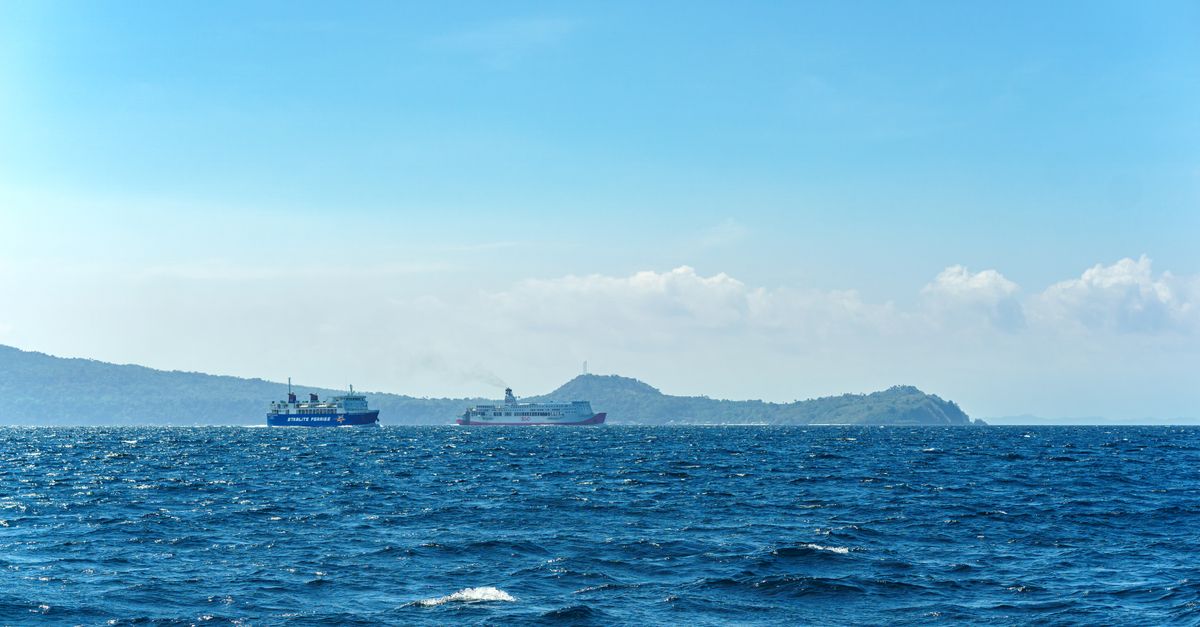
Everything on an Andaman trip hangs on the ferry between Port Blair, Havelock (Swaraj Dweep) and Neil Island (Shaheed Dweep). In the calm season this is a non-issue — the private catamarans cross in comfort and run to time. In the monsoon it becomes the whole story: a rough sea means cancellations, and a cancelled ferry cascades through every hotel night and sightseeing slot after it. This is exactly why we tell monsoon travellers to keep buffer days and never book a same-day ferry-to-flight connection. In the dry season you can plan tightly; in the wet season you must plan loosely.
FAQ
What is the single best month to visit Andaman?
November. The monsoon is over, the sea is calm, ferries are reliable, every island and activity is open, and the peak-season crowds and top prices have not arrived yet. Late January and February are just as good weather-wise once the New Year rush clears.
Is it worth visiting Andaman during the monsoon?
Only if you are flexible. June to August brings 15–25% lower prices, lush green islands and empty beaches, but also heavy rain, rough seas, frequent ferry cancellations, and closed spots like Jolly Buoy. If you have a short, fixed itinerary or it is your first visit, we would not recommend it. If you have spare days to absorb a cancelled ferry, it can be a peaceful, cheap trip.
When is Jolly Buoy Island open?
Jolly Buoy Island is open to visitors from October to May and closes for the monsoon (June to September) as it sits inside a protected marine national park. If snorkelling at Jolly Buoy is a priority, plan your trip within that October–May window. The main scuba diving season follows the same calendar for the same reason — calmer seas and better underwater visibility.
How far in advance should I book?
For peak season (mid-December to mid-January) book 60 to 90 days ahead — hotels and ferries genuinely sell out. For November, February and the March–April value window, three to four weeks is usually comfortable. In the monsoon you can book closer to the date, but leave buffer days for weather.
Ready to pick your dates?
Tell us roughly when you are thinking of coming and who is travelling, and we will tell you honestly what the sea, the crowds and the prices are likely to do in that window — then build a trip around it. Browse our Andaman tour packages or just message us on WhatsApp for a free, no-obligation quote for your exact dates. We live here, we watch the weather and the ferries every day, and we will point you to the window that fits your trip.