 WhatsApp us
Bioluminescence kayaking in Andaman is a night paddle through mangrove creeks where every stroke of your oar lights up the water in electric blue. There are no lights, no engines, no noise — just you, a kayak, a guide, and plankton that glow when the water moves. It is one of the quietest, strangest, most genuinely magical things you can do on the islands, and almost nobody plans for it because almost nobody knows it exists. This guide fixes that. We live here, we send travellers out on these paddles, and we will tell you exactly what it is, when to go, what it costs, and — honestly — what to expect so you are not disappointed.
What is bioluminescence, simply explained
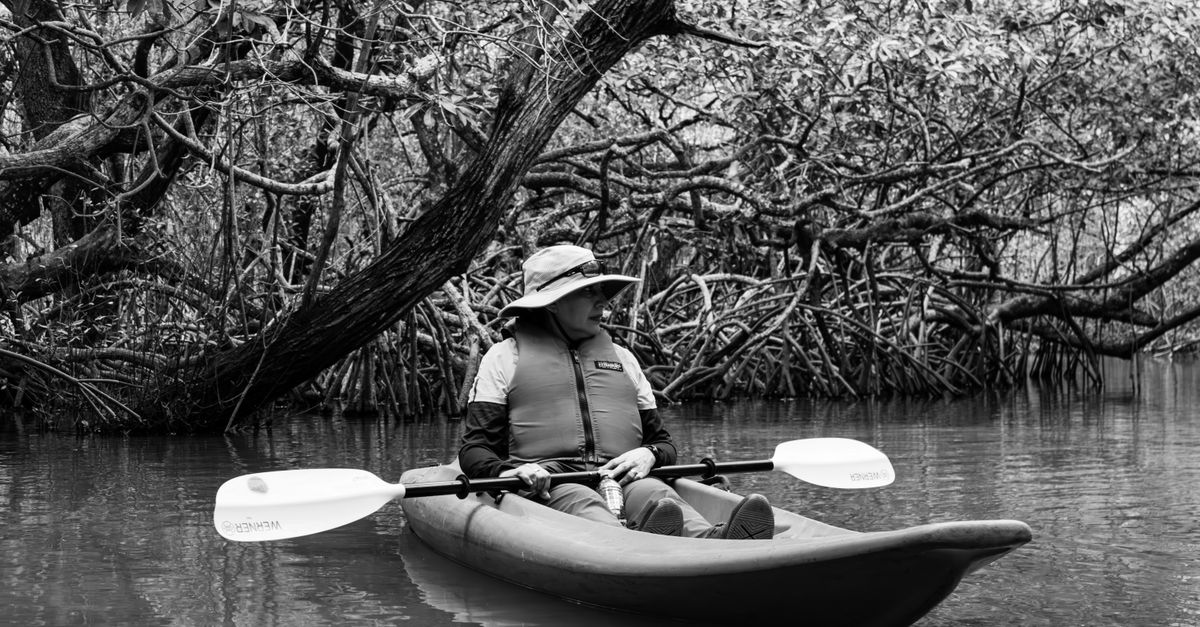
The glow comes from tiny living things in the water called plankton — specifically a group of single-celled organisms (dinoflagellates) that produce light through a chemical reaction inside their bodies. When the water around them is disturbed — by your paddle, by a fish darting past, by your hand trailing over the side — they flash a brief burst of cold blue-green light. It is the same chemistry that makes a firefly glow, just happening underwater and on a much larger scale.
You do not need to understand the science to enjoy it. All you really need to know is this: the light is triggered by movement. Sit still and the water is dark. Move — paddle, splash, swirl your fingers — and the water lights up around you. Kids and adults both end up doing the same thing: dragging a hand through the water again and again just to watch it spark.
Where to do bioluminescence kayaking in Andaman: Havelock’s mangrove creeks
The reliable place for bioluminescence kayaking in Andaman is Havelock Island (Swaraj Dweep), in the sheltered mangrove creeks away from the main beaches. The mangroves matter for a reason: the water there is calm, dark, and protected from open-sea swell, and there is very little competing light. That combination — still water plus true darkness — is exactly what lets you see the plankton glow. Open, windy beaches with resort lights nearby simply do not work as well.
Neil Island (Shaheed Dweep) also has bioluminescence on the right nights, and you will occasionally hear of sightings elsewhere, but Havelock is where guided night-kayaking is run most consistently by trained operators with proper safety cover. If you are staying on Havelock — and most itineraries route you there anyway — it slots neatly into an evening. If you want the fullest island experience, base yourself there; our Havelock Island travel guide covers where to stay and what else to pair it with.
The single most important rule: go on a new moon
Here is the one piece of advice that decides whether your night is unforgettable or underwhelming: the darker the sky, the brighter the glow. Bioluminescence is faint. It competes with every other light source, and the biggest light source of all is the moon. On a full-moon night, moonlight on the water washes the plankton glow out almost completely. On a new-moon night, with no moon in the sky, the contrast is dramatic and the blue sparks are at their most vivid.
- Best: the new moon and the 3–4 nights on either side of it — darkest skies, strongest glow.
- Okay: a crescent moon, especially if it has already set by the time you paddle.
- Skip it: the nights right around a full moon — save your money and do something else that evening.
Before you lock your travel dates, check the lunar calendar and try to line up your Havelock nights with the new moon. If you cannot, tell us your dates anyway — we will tell you honestly whether the moon phase is working for you or against you, and whether that particular night is worth booking.
Best months and season
Moon phase matters more than month, but season still counts because it decides how calm and clear the water is. The most comfortable window for night kayaking runs from October through May, when the sea is settled and the mangrove creeks are glassy. This overlaps neatly with the main Andaman travel season, so most travellers are here at the right time anyway.
During the monsoon (roughly June to September), heavier rain and rougher water make guided night paddles less reliable, and operators often pause them for safety. Bioluminescence itself can still be present — sometimes it is even stronger after rain — but the conditions to enjoy it safely are less dependable. If you are travelling in monsoon, treat it as a bonus rather than a certainty and check with us close to the date.
What the experience is actually like
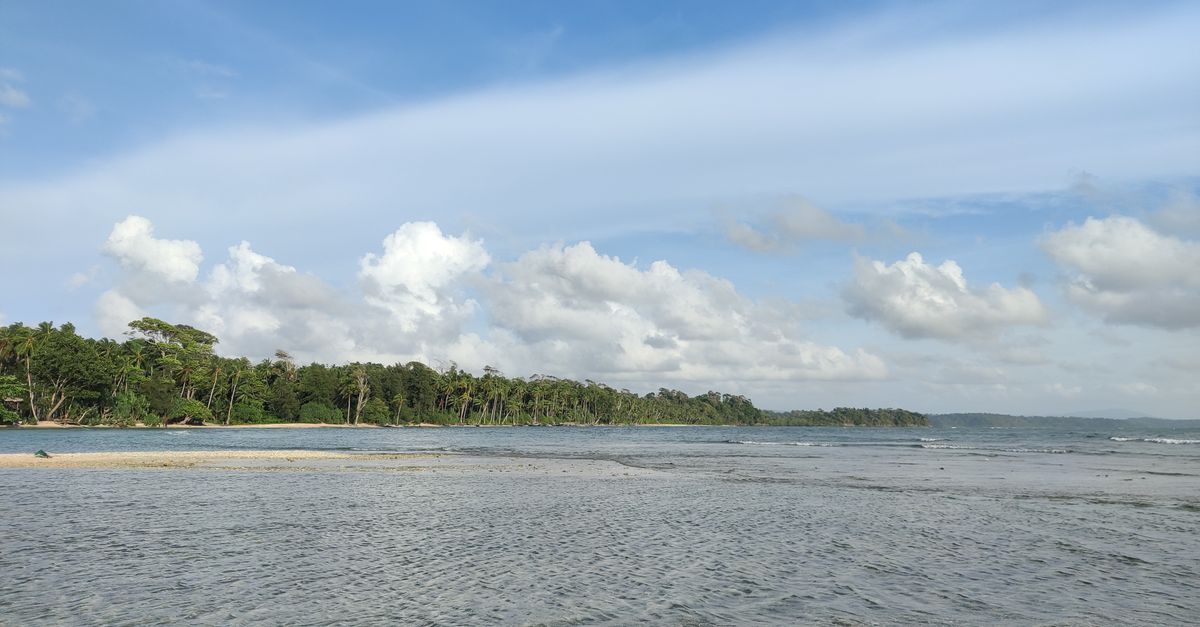
You set out after dark, usually in a two-person kayak with a life jacket and a short safety briefing. The guide leads a small group into the mangroves, and the first thing you notice is how quiet it is — no motor, just the dip of paddles and the sound of the forest. Then someone strokes the water and the blue appears, streaming off the paddle blade like liquid light. Trail your fingers and they leave glowing trails. Fish moving under the boat draw bright lines through the dark. On a good new-moon night the stars are out too, so you have the Milky Way above and the plankton below, with the black water in between.
Most paddles last around 60 to 90 minutes on the water. It is calm rather than adventurous — you are gliding through sheltered creeks, not battling surf — which makes it suitable for beginners and for couples and families who just want something quietly beautiful. No kayaking experience is needed. You do not go fast and you do not go far.
Price band and what it includes
As a rough guide, bioluminescence kayaking on Havelock typically costs in the region of ₹2,500 to ₹4,000 per person, depending on the operator, the group size, and the season. That price usually covers the kayak, life jacket, a trained guide, and the guided paddle itself. It is a specialist, small-group, safety-cover activity run only on suitable nights, which is why it costs more than a daytime water sport.
Prices shift, so treat that as a band, not a quote. When we build it into your trip, you get an itemised figure up front with no surprises added at the jetty — that transparency is how we work on every part of your Andaman package.
Booking notes: why you should not leave this to the last minute
- Slots are limited. These are small-group paddles run by a handful of trained guides on Havelock, only on the right nights. They fill up, especially around the new moon in peak season.
- It is night-and-weather dependent. A guide may reschedule if the water turns rough or the sky is wrong. Keep an evening of flexibility in your Havelock leg.
- Plan your dates around the moon, not the other way round. If a glowing night is a priority for you, tell us early and we will try to schedule your Havelock stay across the darkest nights available.
- It pairs well with a Havelock-heavy itinerary. Do your snorkelling, scuba and beach days by day, and keep this for a dark evening.
Photography: an honest reality check
We would rather tell you this now than have you feel let down on the water: your phone almost certainly will not capture the bioluminescence. The glow is faint and moves fast, and phone cameras — even good ones in night mode — need more steady light than the plankton give off. What your eyes see as vivid blue sparks usually shows up on a phone as a black, empty frame. This is the single most common disappointment people report, and it is entirely avoidable if you go in with the right expectation.
So plan to see it, not to film it. A few honest notes:
- Even experienced photographers struggle. Capturing bioluminescence needs a proper camera on a tripod with long exposures — which is not practical from a moving kayak in the dark.
- Bright phone screens and torches actually ruin the moment — they flood your eyes and wash out the glow for everyone in the group. Guides will ask you to keep lights off.
- The best “photo” you will take home is the memory. Put the phone away, trail your hand in the water, and just watch.
Safety and who it suits
Guided bioluminescence kayaking is a low-risk, calm-water activity when it is run properly — which is exactly why it matters who you go out with. A few things to keep in mind:
- Always go with a licensed guide. Night, dark water and mangroves are not the place to freelance. A trained guide knows the creeks, carries safety gear, and reads the conditions.
- Wear the life jacket the whole time, even though you are not swimming and the water is calm.
- Swimming is not required. You sit in a stable two-person kayak and paddle gently. It suits non-swimmers, couples, and families with older children.
- Listen to the reschedule call. If your guide moves the paddle to another night for weather or moon reasons, that is them protecting your experience and your safety, not letting you down.
- Carry light insect cover. Mangroves at night mean the odd mosquito. A little repellent makes the paddle more comfortable.
How to fit it into your trip
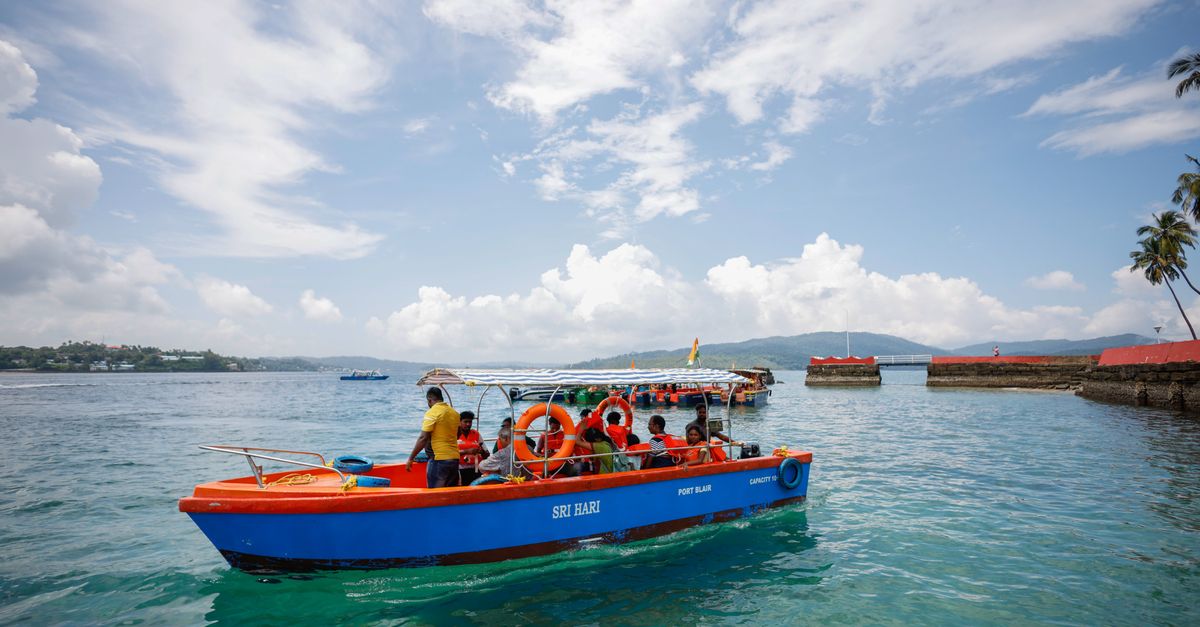
Bioluminescence kayaking works best as an evening add-on during a Havelock stay of two nights or more. Spend your days on the water — Elephant Beach snorkelling, a dive at one of Havelock’s reefs, sunset at Radhanagar — and keep one dark evening free for the paddle. It slots naturally into an adventure-focused itinerary alongside scuba diving in Andaman and snorkelling, which is why we often bundle it into our Andaman adventure and scuba package.
One practical point: to be on Havelock for a specific new-moon night, your ferries have to line up. Getting the timing right across Port Blair and Havelock is exactly the kind of thing that trips people up — our Andaman ferry guide walks through how the connections work so you do not end up on the island a night too late.
FAQ
Is bioluminescence guaranteed on the night I book?
No, and any operator who guarantees it is not being honest. It is a natural phenomenon that depends on plankton, moon phase, and water conditions. What you can do is stack the odds heavily in your favour by going on a new-moon night in calm-water season with a good guide. On those nights the glow is very reliable — but nature never signs a contract.
Can children do bioluminescence kayaking?
Older children usually can, sitting in the two-person kayak with a parent and wearing a life jacket, since the water is calm and no swimming is involved. It is a late-night activity in the dark, though, so it suits some kids far better than others. Tell us your children’s ages and we will give you a straight answer on whether it is right for your family.
What should I wear and bring?
Light, quick-drying clothes you do not mind getting a little wet, and sandals with a strap. Bring insect repellent for the mangroves and leave anything you cannot afford to drop in the water behind. Skip the torch — your guide handles lighting, and keeping your eyes adjusted to the dark is what lets you see the glow.
Is it worth it if I have already done snorkelling and scuba?
Yes — it is a completely different experience. Snorkelling and scuba are about colour and reef life by day. Bioluminescence is about darkness, silence, and light in the water at night. Most travellers who do all three say the night paddle is the one they talk about most when they get home.
Plan bioluminescence kayaking into your Andaman trip
Bioluminescence kayaking is one of those experiences that turns a good Andaman holiday into one you never stop talking about — but it needs the right island, the right night, and someone local to line it all up. That is what we do. Tell us your travel dates and we will tell you honestly how the moon falls, whether a glowing night is realistic, and how to build it into your Havelock stay. Explore our Andaman adventure and scuba package or read the full Havelock (Swaraj Dweep) guide, then message us on WhatsApp for a free, no-obligation quote. A real person here on the islands will reply and help you plan the whole thing.