+91 97912 63115 · WhatsApp us

Sri Vijaya Puram (Port Blair), Andaman and Nicobar Islands

Tag: things to do in Andaman

  • Top 10 Things to Do in Andaman You Absolutely Cannot Miss

    Top 10 Things to Do in Andaman You Absolutely Cannot Miss

    If you are planning your first trip and wondering about the best things to do in Andaman, here is the honest short answer: swim at Radhanagar Beach, dive the reefs off Havelock, stand inside the Cellular Jail after dark for the light-and-sound show, and give yourself at least one experience you would never do back home — sea walking, a bioluminescence paddle, or a limestone cave at Baratang. Do those and you have already had a proper Andaman holiday.

    We live and work here in Sri Vijaya Puram (Port Blair), and we run these trips for families, honeymooners, and groups every week. So this is not a copy-paste “top beaches” list. Below are the ten things we actually send our travellers to do, with where each one is, a realistic cost band, the right season, and a quick booking note so you know what to expect before you land.
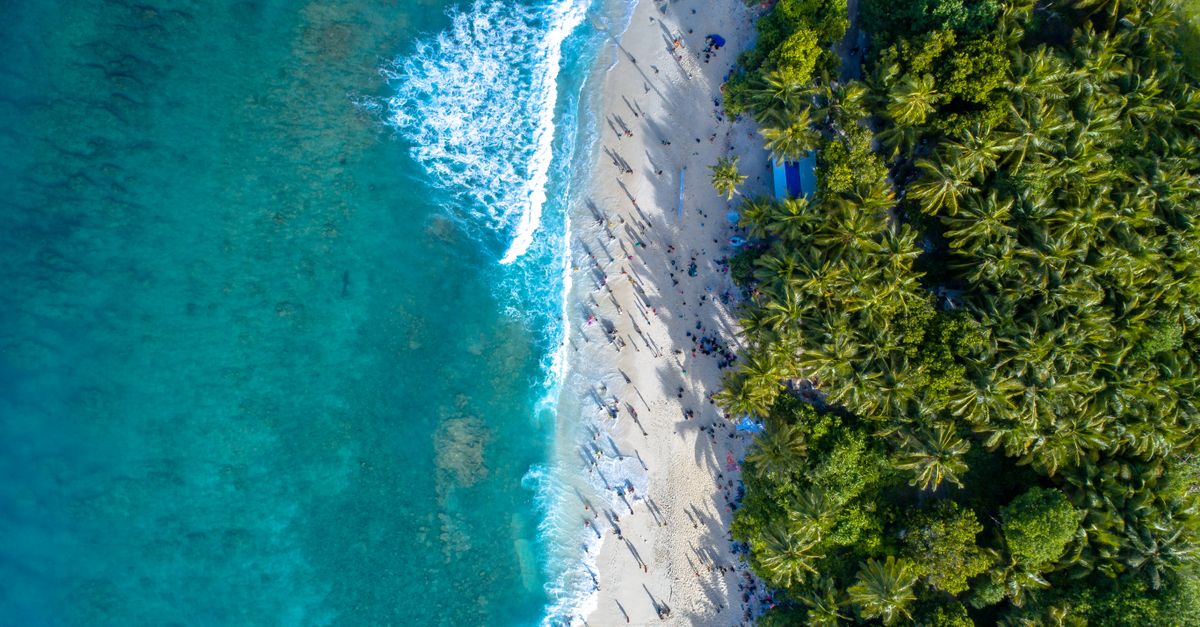
    Radhanagar Beach aerial view Havelock Island Andaman

    The 10 Best Things to Do in Andaman

    1. Swim and Watch the Sunset at Radhanagar Beach

    Radhanagar Beach (Beach No. 7) on Havelock is the one photo everyone comes home with — a long curve of soft white sand backed by forest, with calm, clear water that is genuinely good for swimming. It regularly features on lists of Asia’s best beaches, and for once the hype holds up. Come in the late afternoon and stay for the sunset; that is when the light is best and the day crowds have thinned.

    • Where: West coast of Havelock (Swaraj Dweep), about 12 km from the jetty.
    • Cost: Free entry; a cab from the jetty runs roughly ₹800–₹1,200 return.
    • Season: October to May for the calmest water and clearest skies.
    • Booking note: No ticket needed, but the beach closes around sunset — plan your ferry back to Port Blair accordingly, or stay the night on Havelock.

    Radhanagar sits at the heart of nearly every good Havelock Island itinerary, so most travellers pair it with a morning of water sports at Elephant Beach.

    2. Go Scuba Diving off Havelock Island

    The Andamans are one of India’s top scuba destinations, and you do not need any prior experience to try it. A “Discover Scuba” intro dive takes complete beginners down to shallow reefs with a qualified instructor holding on the whole time. Certified divers get access to the deeper, more dramatic sites off Havelock and Neil, where you can see reef sharks, turtles, rays, and walls of coral.

    • Where: Havelock is the main hub; North Bay Island (near Port Blair) offers easier beginner dives.
    • Cost: Intro dives start from around ₹3,500; certified fun dives run ₹3,500–₹5,000 per dive.
    • Season: October to May, when underwater visibility is at its best.
    • Booking note: Book with a licensed operator and dive on a full stomach’s rest — no flying within 18–24 hours after diving.

    If diving is the main reason you are coming, read our full guide to scuba diving in Andaman for the site-by-site breakdown, prices, and what to bring.

    3. See the Cellular Jail Light & Sound Show

    The Cellular Jail in Port Blair is the emotional heart of any Andaman trip. This colonial-era prison — the “Kala Pani” — held India’s freedom fighters, and walking its wings in daylight is sobering enough. But the evening light-and-sound show, narrated in the old central tower, is the part people talk about for years. It tells the story of the prisoners through voice and light, and it lands hard.

    Cellular Jail National Memorial Port Blair Andaman
    • Where: Cellular Jail National Memorial, Port Blair — a short drive from most hotels.
    • Cost: Museum entry is nominal (around ₹30–₹40); the light-and-sound show is roughly ₹50–₹300 depending on the language and seating.
    • Season: Year-round; shows can be cancelled during heavy monsoon rain.
    • Booking note: There are Hindi and English shows on different evenings — check the day’s timing, as the English slots are fewer. This is easy to fit into your first evening in Port Blair.

    4. Try Sea Walking — No Swimming Required

    This is the activity we recommend most often to families and to anyone nervous about the water. You wear a weighted helmet fed with a constant oxygen supply and simply walk along the sea floor at about 5–7 metres, with fish and coral all around you. You do not need to swim, and you do not even get your hair wet. Grandparents and first-timers love it.

    • Where: North Bay Island (near Port Blair) and Elephant Beach (Havelock).
    • Cost: Roughly ₹3,500 per person for the walk and basic photos.
    • Season: October to May; not run in rough seas.
    • Booking note: There is usually a minimum age (around 7–10) and you should not have serious heart or breathing conditions. Read our sea walking in Andaman page for the full rules.

    5. Paddle Through Bioluminescence at Night

    On a moonless night in the mangrove creeks near Havelock, the water lights up wherever it moves — a soft blue-green glow from bioluminescent plankton. You sit in a kayak with a local guide, dip your paddle, and watch the sea sparkle. It is quiet, a little magical, and one of those experiences people did not expect to be the highlight of their trip.
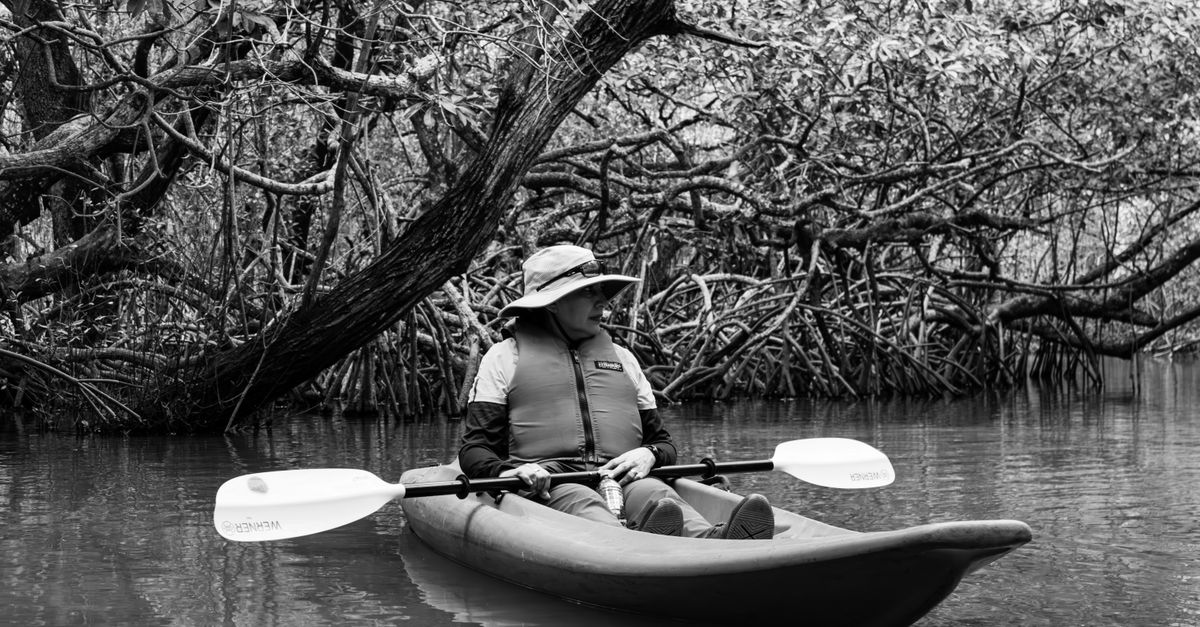
    Bioluminescence kayaking Andaman mangrove creek
    • Where: Mangrove creeks around Havelock (Swaraj Dweep).
    • Cost: Around ₹2,500–₹4,000 per person for a guided night paddle.
    • Season: Best on the darkest nights — the days around the new moon, October to May.
    • Booking note: The glow depends on moon phase and water conditions, so we time it around the lunar calendar. Honest expectation: on a bright full-moon night, you will see very little — plan the date with us.

    6. Explore the Limestone Caves at Baratang

    Baratang is the adventurous, off-the-beaten-path day trip. You drive out of Port Blair before dawn, cross by vehicle-ferry, take a speedboat through a narrow mangrove creek, and then walk to a cave full of stalactites and stalagmites. Some trips also visit the mud volcanoes nearby. It is a long day, but it feels like real exploring rather than a beach lounge.

    • Where: Baratang Island, about 100 km north of Port Blair by road plus boat.
    • Cost: A shared day tour runs roughly ₹1,500–₹2,500 per person; private trips cost more.
    • Season: October to May; the creek boats do not run in rough weather.
    • Booking note: You pass through a tribal reserve, so the road runs in a timed convoy and a permit is required — we arrange this for you. Start is very early (around 3–4 am). See our Ross Island & Baratang guide for the full plan.

    7. Walk the Colonial Ruins of Ross Island

    Ross Island (Netaji Subhash Chandra Bose Island) was once the British administrative capital of the Andamans, nicknamed the “Paris of the East.” Today the jungle has reclaimed the church, bakery, and ballroom, and deer and peacocks wander freely among the crumbling walls. It is a short, atmospheric half-day trip and pairs perfectly with a Port Blair morning.

    • Where: A 20-minute boat ride from Aberdeen Jetty, Port Blair.
    • Cost: Ferry around ₹500–₹800 return; small island entry fee on top.
    • Season: Year-round; boats pause in rough seas.
    • Booking note: The island closes on Wednesdays — check before you plan your morning around it.

    8. Snorkel the Reefs at Jolly Buoy or Elephant Beach

    If diving feels like a big step, snorkelling gets you face-to-face with the reef for a fraction of the cost and effort. Jolly Buoy Island, inside a protected marine national park, has some of the clearest water and healthiest coral in the Andamans. Elephant Beach on Havelock is easier to reach and great for first-timers. Both let you float above coral gardens and shoals of fish with just a mask and fins.

    • Where: Jolly Buoy Island (near Wandoor, Port Blair) and Elephant Beach (Havelock).
    • Cost: Budget-friendly — roughly ₹600–₹1,000 including gear.
    • Season: October to May. Jolly Buoy is only open part of the year (it alternates with Red Skin Island to protect the reef).
    • Booking note: Jolly Buoy is a no-plastic zone and needs a forest permit; we sort that out. More on the best spots in our snorkeling in Andaman guide.

    9. Catch the Sunset at Laxmanpur Beach, Neil Island

    Neil Island (Shaheed Dweep) is the slow, quiet counterpart to Havelock, and Laxmanpur Beach is its signature sunset spot. The long, shallow shoreline turns gold and pink as the sun drops, and at low tide you can walk far out over the exposed reef to reach the natural rock bridge nearby. If you want one calm, romantic evening away from the crowds, this is it.
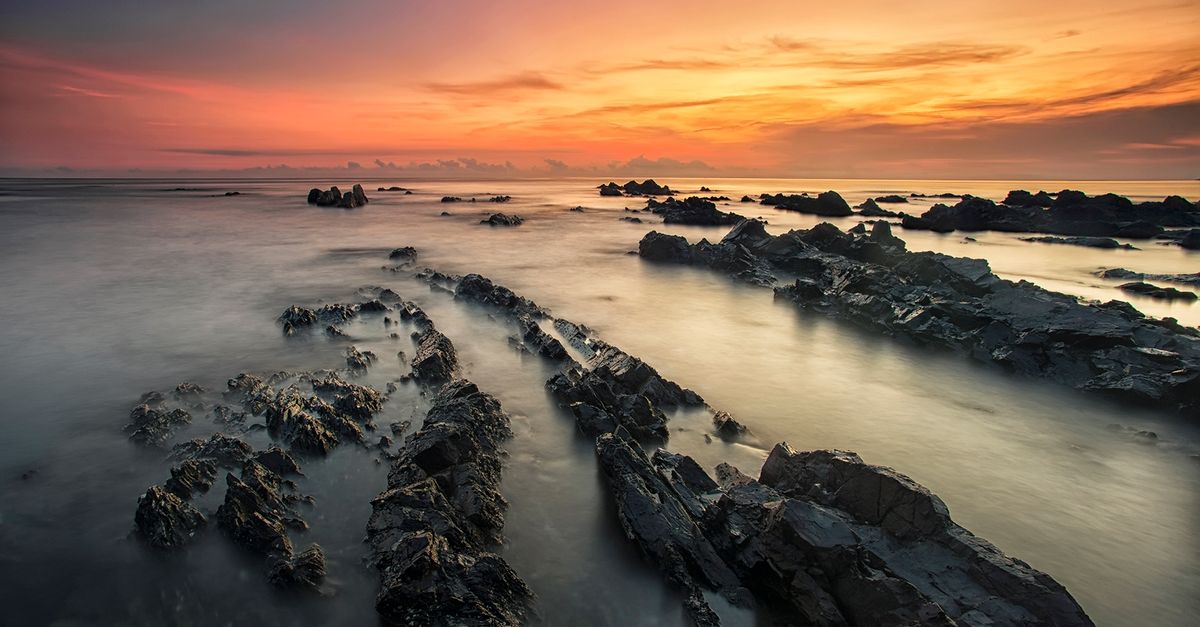
    Laxmanpur Beach sunset Neil Island Andaman
    • Where: Laxmanpur Beach, Neil Island — a short auto or cab ride from the jetty.
    • Cost: Free; local transport is cheap.
    • Season: October to May for clear sunset skies.
    • Booking note: Neil works beautifully as a one-night add-on between Port Blair and Havelock — see the Neil Island guide.

    10. Go Deep-Sea Game Fishing from Port Blair

    For the anglers, the Andamans are a serious big-game fishing ground that most visitors never think about. A charter boat takes you offshore for a half or full day, chasing tuna, barracuda, snapper, and grouper in some of India’s least-fished waters. Even if you have never held a rod, the crew sets you up — and the boat ride through open sea is worth it on its own.

    • Where: Charters depart from Port Blair.
    • Cost: Private charters vary widely by boat and duration — ask us for a current quote based on group size.
    • Season: October to May, when the sea is calmest.
    • Booking note: Charters book up and depend on weather, so reserve ahead. Details on our game fishing in Andaman page.

    How to Fit It All Into One Trip

    You will not do all ten in a short trip — and you should not try. A comfortable 5 nights / 6 days lets you cover Port Blair (Cellular Jail, Ross Island), two nights on Havelock (Radhanagar, scuba or snorkelling, bioluminescence), and a night on Neil (Laxmanpur sunset). Add Baratang or game fishing if you have 7 nights. The trick is not cramming — it is choosing the two or three experiences that matter most to your group and giving them room to breathe.

    Because ferries, permits, and activity slots all have to line up, this is exactly the kind of planning a local operator saves you from. We know which ferry runs on time, which day Ross Island is closed, and when the moon is dark enough for bioluminescence — so your days actually connect.

    FAQ

    What is the best time to visit Andaman for these activities?

    October to May is the sweet spot. The sea is calm, visibility underwater is high, and water sports like scuba, sea walking, and snorkelling run reliably. June to September is monsoon season — cheaper and green, but rough seas can cancel boat activities and some islands close.

    How many days do I need to see the main things to do in Andaman?

    Five nights and six days covers the essentials — Port Blair, Havelock, and Neil — without rushing. If you want to add Baratang, game fishing, or extra beach time, plan for 6 or 7 nights.

    Are these activities safe for kids and non-swimmers?

    Many are. Sea walking needs no swimming at all, snorkelling is done with a life jacket, and the light-and-sound show, Ross Island, and beaches suit every age. Scuba intro dives are guided one-on-one. We match the activity list to your group so nobody feels out of their depth.

    Do I need permits for any of these?

    Yes for a few — Baratang (tribal reserve), Jolly Buoy Island (marine national park), and some other protected areas need permits. When you book a package with us, we arrange every permit so you never have to queue for one.

    Ready to Plan Your Andaman Trip?

    Tell us your dates, your group, and your budget, and we will build these experiences into one smooth itinerary — ferries, permits, stays, and activity slots all handled by a real local team based in Port Blair. Browse our Andaman tour packages to see starting prices, or message us directly on WhatsApp for a free, no-obligation quote. A real person usually replies within minutes.
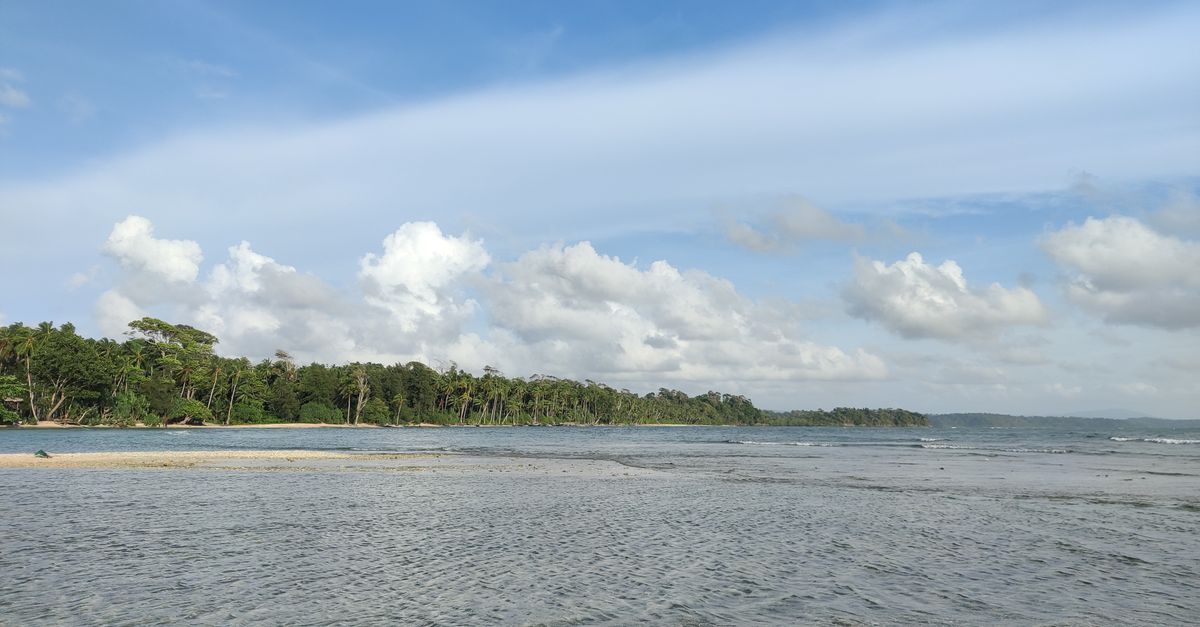
  • Bioluminescence Kayaking in Andaman: The Complete Night Experience Guide

    Bioluminescence Kayaking in Andaman: The Complete Night Experience Guide

    Bioluminescence kayaking in Andaman is a night paddle through mangrove creeks where every stroke of your oar lights up the water in electric blue. There are no lights, no engines, no noise — just you, a kayak, a guide, and plankton that glow when the water moves. It is one of the quietest, strangest, most genuinely magical things you can do on the islands, and almost nobody plans for it because almost nobody knows it exists. This guide fixes that. We live here, we send travellers out on these paddles, and we will tell you exactly what it is, when to go, what it costs, and — honestly — what to expect so you are not disappointed.

    Bioluminescence kayaking Andaman mangrove creek

    What is bioluminescence, simply explained

    The glow comes from tiny living things in the water called plankton — specifically a group of single-celled organisms (dinoflagellates) that produce light through a chemical reaction inside their bodies. When the water around them is disturbed — by your paddle, by a fish darting past, by your hand trailing over the side — they flash a brief burst of cold blue-green light. It is the same chemistry that makes a firefly glow, just happening underwater and on a much larger scale.

    You do not need to understand the science to enjoy it. All you really need to know is this: the light is triggered by movement. Sit still and the water is dark. Move — paddle, splash, swirl your fingers — and the water lights up around you. Kids and adults both end up doing the same thing: dragging a hand through the water again and again just to watch it spark.

    Where to do bioluminescence kayaking in Andaman: Havelock’s mangrove creeks

    The reliable place for bioluminescence kayaking in Andaman is Havelock Island (Swaraj Dweep), in the sheltered mangrove creeks away from the main beaches. The mangroves matter for a reason: the water there is calm, dark, and protected from open-sea swell, and there is very little competing light. That combination — still water plus true darkness — is exactly what lets you see the plankton glow. Open, windy beaches with resort lights nearby simply do not work as well.

    Neil Island (Shaheed Dweep) also has bioluminescence on the right nights, and you will occasionally hear of sightings elsewhere, but Havelock is where guided night-kayaking is run most consistently by trained operators with proper safety cover. If you are staying on Havelock — and most itineraries route you there anyway — it slots neatly into an evening. If you want the fullest island experience, base yourself there; our Havelock Island travel guide covers where to stay and what else to pair it with.

    The single most important rule: go on a new moon

    Here is the one piece of advice that decides whether your night is unforgettable or underwhelming: the darker the sky, the brighter the glow. Bioluminescence is faint. It competes with every other light source, and the biggest light source of all is the moon. On a full-moon night, moonlight on the water washes the plankton glow out almost completely. On a new-moon night, with no moon in the sky, the contrast is dramatic and the blue sparks are at their most vivid.

    • Best: the new moon and the 3–4 nights on either side of it — darkest skies, strongest glow.
    • Okay: a crescent moon, especially if it has already set by the time you paddle.
    • Skip it: the nights right around a full moon — save your money and do something else that evening.

    Before you lock your travel dates, check the lunar calendar and try to line up your Havelock nights with the new moon. If you cannot, tell us your dates anyway — we will tell you honestly whether the moon phase is working for you or against you, and whether that particular night is worth booking.

    Best months and season

    Moon phase matters more than month, but season still counts because it decides how calm and clear the water is. The most comfortable window for night kayaking runs from October through May, when the sea is settled and the mangrove creeks are glassy. This overlaps neatly with the main Andaman travel season, so most travellers are here at the right time anyway.

    During the monsoon (roughly June to September), heavier rain and rougher water make guided night paddles less reliable, and operators often pause them for safety. Bioluminescence itself can still be present — sometimes it is even stronger after rain — but the conditions to enjoy it safely are less dependable. If you are travelling in monsoon, treat it as a bonus rather than a certainty and check with us close to the date.

    What the experience is actually like

    Havelock Island beachfront Andaman at dusk

    You set out after dark, usually in a two-person kayak with a life jacket and a short safety briefing. The guide leads a small group into the mangroves, and the first thing you notice is how quiet it is — no motor, just the dip of paddles and the sound of the forest. Then someone strokes the water and the blue appears, streaming off the paddle blade like liquid light. Trail your fingers and they leave glowing trails. Fish moving under the boat draw bright lines through the dark. On a good new-moon night the stars are out too, so you have the Milky Way above and the plankton below, with the black water in between.

    Most paddles last around 60 to 90 minutes on the water. It is calm rather than adventurous — you are gliding through sheltered creeks, not battling surf — which makes it suitable for beginners and for couples and families who just want something quietly beautiful. No kayaking experience is needed. You do not go fast and you do not go far.

    Price band and what it includes

    As a rough guide, bioluminescence kayaking on Havelock typically costs in the region of ₹2,500 to ₹4,000 per person, depending on the operator, the group size, and the season. That price usually covers the kayak, life jacket, a trained guide, and the guided paddle itself. It is a specialist, small-group, safety-cover activity run only on suitable nights, which is why it costs more than a daytime water sport.

    Prices shift, so treat that as a band, not a quote. When we build it into your trip, you get an itemised figure up front with no surprises added at the jetty — that transparency is how we work on every part of your Andaman package.

    Booking notes: why you should not leave this to the last minute

    • Slots are limited. These are small-group paddles run by a handful of trained guides on Havelock, only on the right nights. They fill up, especially around the new moon in peak season.
    • It is night-and-weather dependent. A guide may reschedule if the water turns rough or the sky is wrong. Keep an evening of flexibility in your Havelock leg.
    • Plan your dates around the moon, not the other way round. If a glowing night is a priority for you, tell us early and we will try to schedule your Havelock stay across the darkest nights available.
    • It pairs well with a Havelock-heavy itinerary. Do your snorkelling, scuba and beach days by day, and keep this for a dark evening.

    Photography: an honest reality check

    We would rather tell you this now than have you feel let down on the water: your phone almost certainly will not capture the bioluminescence. The glow is faint and moves fast, and phone cameras — even good ones in night mode — need more steady light than the plankton give off. What your eyes see as vivid blue sparks usually shows up on a phone as a black, empty frame. This is the single most common disappointment people report, and it is entirely avoidable if you go in with the right expectation.

    So plan to see it, not to film it. A few honest notes:

    • Even experienced photographers struggle. Capturing bioluminescence needs a proper camera on a tripod with long exposures — which is not practical from a moving kayak in the dark.
    • Bright phone screens and torches actually ruin the moment — they flood your eyes and wash out the glow for everyone in the group. Guides will ask you to keep lights off.
    • The best “photo” you will take home is the memory. Put the phone away, trail your hand in the water, and just watch.

    Safety and who it suits

    Guided bioluminescence kayaking is a low-risk, calm-water activity when it is run properly — which is exactly why it matters who you go out with. A few things to keep in mind:

    • Always go with a licensed guide. Night, dark water and mangroves are not the place to freelance. A trained guide knows the creeks, carries safety gear, and reads the conditions.
    • Wear the life jacket the whole time, even though you are not swimming and the water is calm.
    • Swimming is not required. You sit in a stable two-person kayak and paddle gently. It suits non-swimmers, couples, and families with older children.
    • Listen to the reschedule call. If your guide moves the paddle to another night for weather or moon reasons, that is them protecting your experience and your safety, not letting you down.
    • Carry light insect cover. Mangroves at night mean the odd mosquito. A little repellent makes the paddle more comfortable.
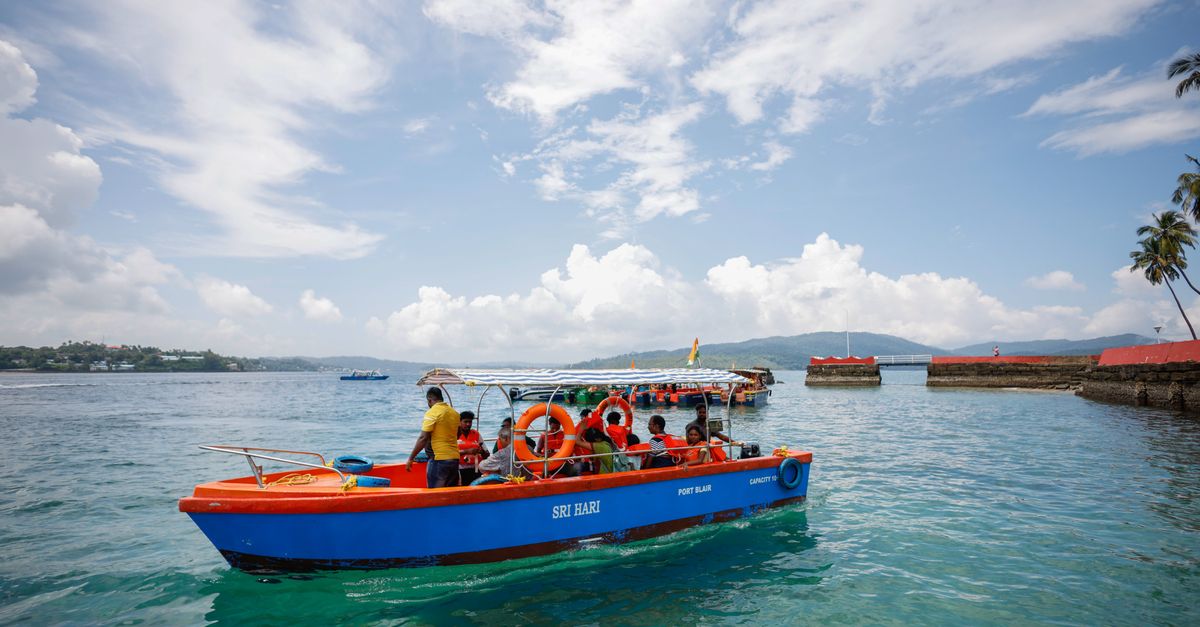
    Andaman boat trip clear turquoise water near Havelock

    How to fit it into your trip

    Bioluminescence kayaking works best as an evening add-on during a Havelock stay of two nights or more. Spend your days on the water — Elephant Beach snorkelling, a dive at one of Havelock’s reefs, sunset at Radhanagar — and keep one dark evening free for the paddle. It slots naturally into an adventure-focused itinerary alongside scuba diving in Andaman and snorkelling, which is why we often bundle it into our Andaman adventure and scuba package.

    One practical point: to be on Havelock for a specific new-moon night, your ferries have to line up. Getting the timing right across Port Blair and Havelock is exactly the kind of thing that trips people up — our Andaman ferry guide walks through how the connections work so you do not end up on the island a night too late.

    FAQ

    Is bioluminescence guaranteed on the night I book?

    No, and any operator who guarantees it is not being honest. It is a natural phenomenon that depends on plankton, moon phase, and water conditions. What you can do is stack the odds heavily in your favour by going on a new-moon night in calm-water season with a good guide. On those nights the glow is very reliable — but nature never signs a contract.

    Can children do bioluminescence kayaking?

    Older children usually can, sitting in the two-person kayak with a parent and wearing a life jacket, since the water is calm and no swimming is involved. It is a late-night activity in the dark, though, so it suits some kids far better than others. Tell us your children’s ages and we will give you a straight answer on whether it is right for your family.

    What should I wear and bring?

    Light, quick-drying clothes you do not mind getting a little wet, and sandals with a strap. Bring insect repellent for the mangroves and leave anything you cannot afford to drop in the water behind. Skip the torch — your guide handles lighting, and keeping your eyes adjusted to the dark is what lets you see the glow.

    Is it worth it if I have already done snorkelling and scuba?

    Yes — it is a completely different experience. Snorkelling and scuba are about colour and reef life by day. Bioluminescence is about darkness, silence, and light in the water at night. Most travellers who do all three say the night paddle is the one they talk about most when they get home.

    Plan bioluminescence kayaking into your Andaman trip

    Bioluminescence kayaking is one of those experiences that turns a good Andaman holiday into one you never stop talking about — but it needs the right island, the right night, and someone local to line it all up. That is what we do. Tell us your travel dates and we will tell you honestly how the moon falls, whether a glowing night is realistic, and how to build it into your Havelock stay. Explore our Andaman adventure and scuba package or read the full Havelock (Swaraj Dweep) guide, then message us on WhatsApp for a free, no-obligation quote. A real person here on the islands will reply and help you plan the whole thing.